
Our Mission is to support community-based emergency response on Orcas Island and in San Juan County, Washington State.
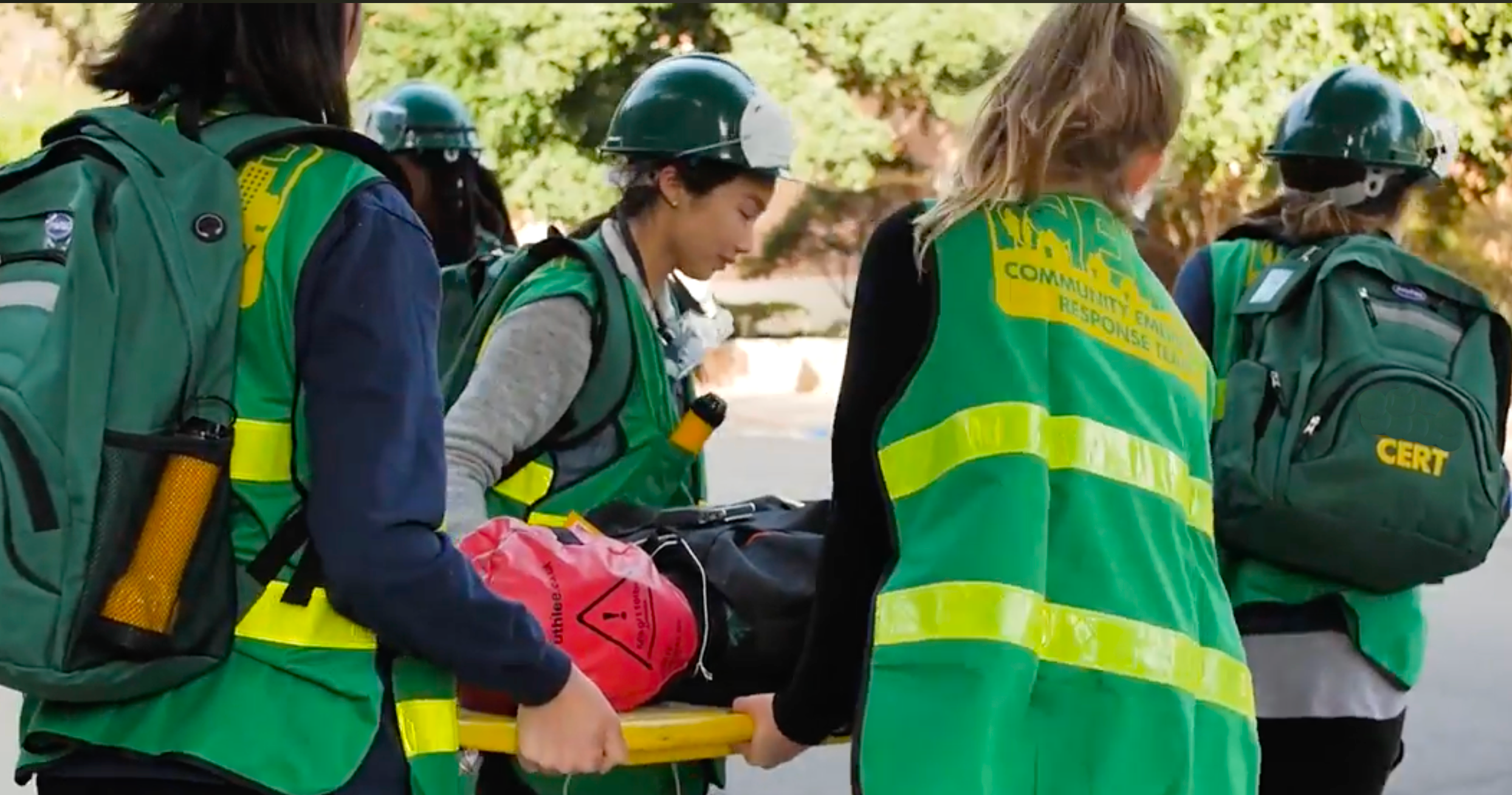
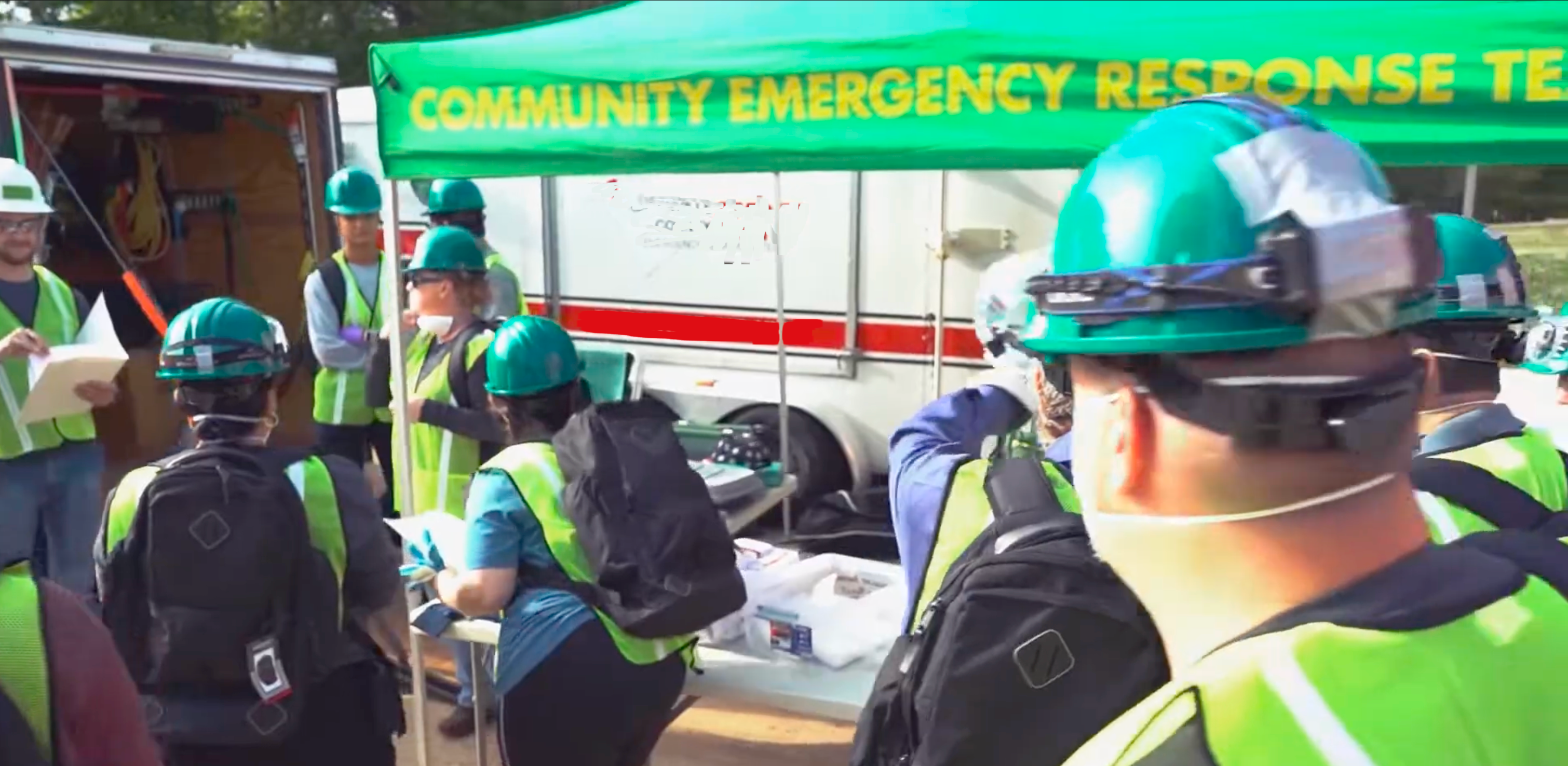
Above: Community Emergency Response Team, UCLA
Let's
GET READY ORCAS!
CONTACT US
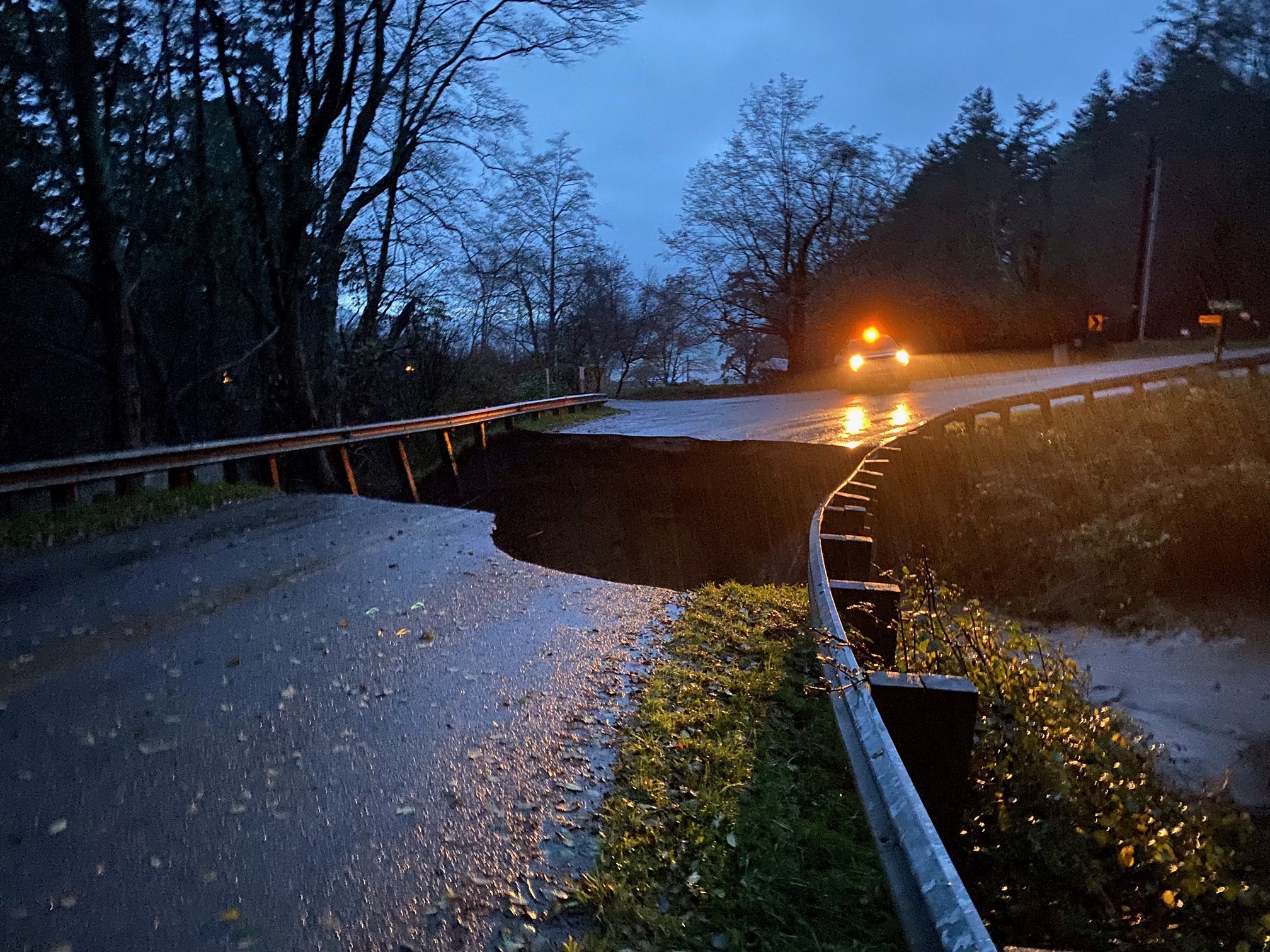
Above: Heavy rains washed away a stream bank, collapsing an island road
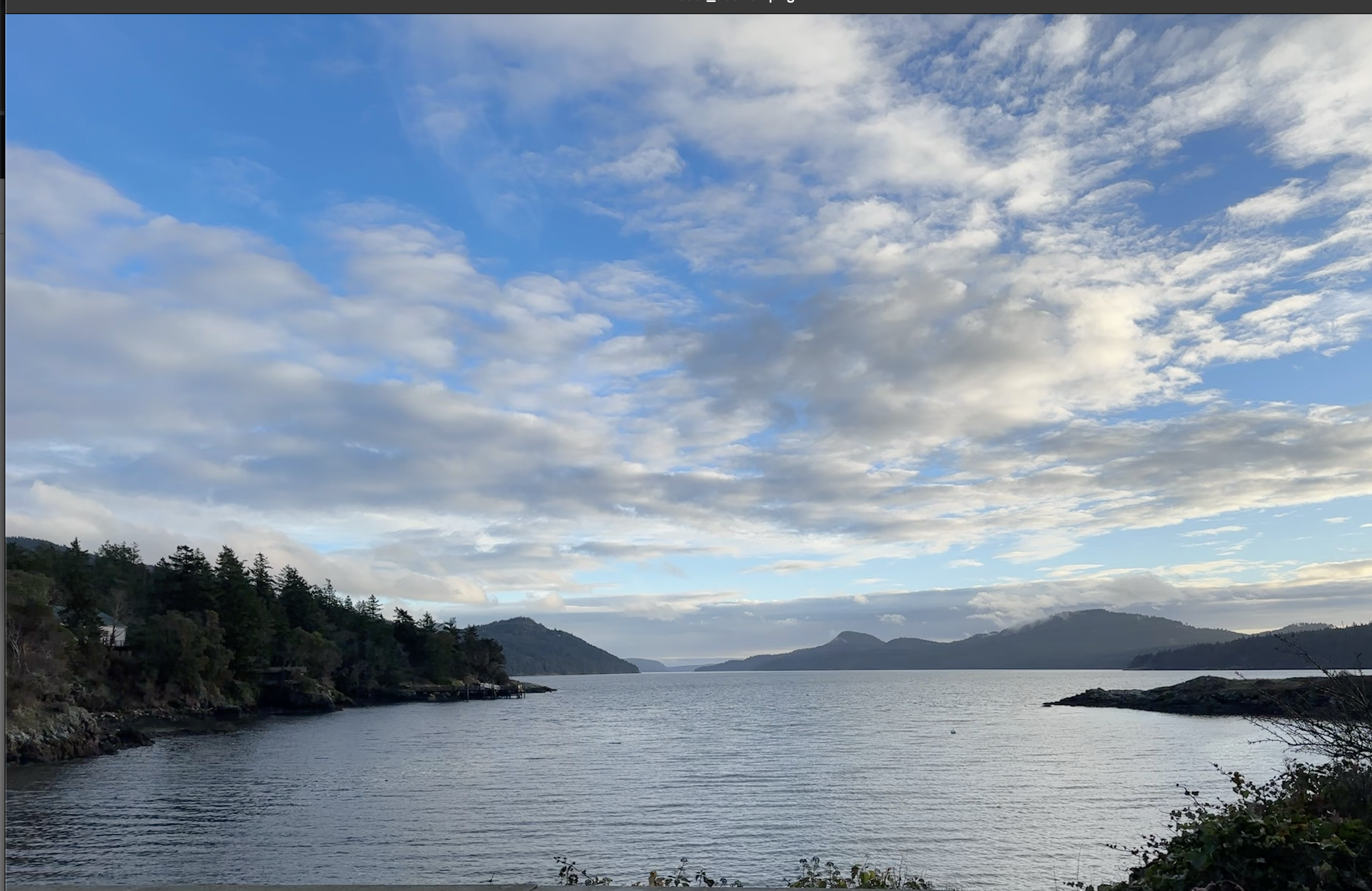
Above: The East Sound on Orcas
The island is relatively safe:
- Wildfire: Moderate summer temperatures and high relative humidity make the danger of wildfire lower than in many mainland areas.
- Flooding: The San Juans, in the rain shadow of the Olympic Mountains, get substantially less precipitation than nearby places such as Seattle. Orcas Island terrain tends to be hilly, and there are no major rivers. These factors combine to make flooding much less of a problem on Orcas than in many areas on the mainland.
- Weather events: Historically, summertime high temperatures have been around 70°F, while wintertime lows averaged in the high 30s to low 40s. Winter snows are infrequent, except at higher elevations.
- Tsunamis: The typical high bank shoreline offers significant protection from tsunamis. Generally, islanders can escape to high ground from lower areas.
- Earthquake: The prevalence of bedrock provides protection against earthquake damage, compared with other areas with more loose, unconsolidated soils.
There are still significant dangers:
- Earthquakes & Tsunamis: Though rare, major earthquakes and subsequent tsunamis will present serious challenges, even if their main effects hit elsewhere in the region. Supplies of food and fuel to the islands will be disrupted. Water pipes and water towers may crumble or crack. Many roads will be damaged. Fallen trees will block passage. Subsea power, phone and internet cables may be knocked out. Power, communications, ferries, and sewer would all be affected. In addition, in a widespread regional event, major population centers like Seattle will be the initial focus for rescue efforts. It could be weeks or months before outside help arrives in the San Juan Islands.
- Wildfire: Summers are getting drier and hotter. Each year there are periods of high fire danger, and both populated and forested areas may be vulnerable. Every 10-15 years, very strong dry winds out of the east create conditions in which a spark from a rock struck by a chainsaw or a weed whacker can ignite a wildfire.
- Winter Storms: The island is seeing increasing rainfall and more severe windstorms during the winter, along with occasional snowstorms and freezing temperatures. Roads can be blocked, power, water and electricity disrupted. Local emergency personnel have to prioritize the most severe injuries and may not reach some areas for days after a major storm.
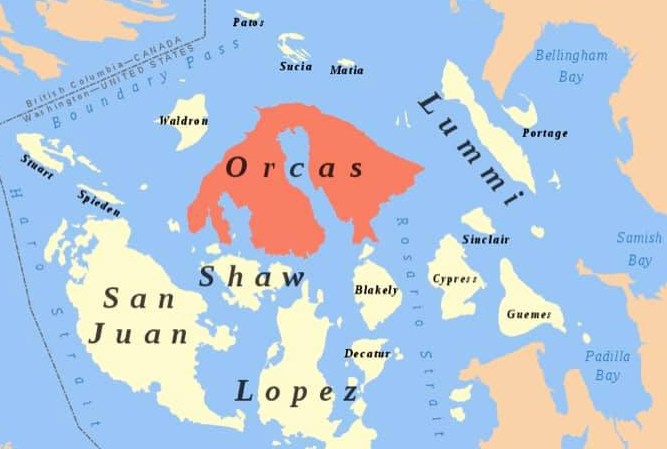
Above: Orcas Island=
Our Vision Includes ...
- Ongoing training, education and drills for everyone, regardless of skills or physical abilities
- Preparing for individual and family self-sufficiency in critical areas such as food and water
- Developing communications networks using radio technologies such as FRS, GMRS and ham radio that could continue to function when cell towers and internet fail
- Creating mutually supportive relationships with other emergency response groups, sharing information, skills and resources
- Providing community support in the critical period before professional emergency responders arrive
- Empowering community members to safely and effectively assist professional responders (if and when requested!) by teaching essential skills such as fire safety, search and rescue, and medical operations, and organizing volunteers to handle tasks that free up first responders for more complex duties
Questions? Suggestions?
click Here
Radio Communications
Technologies such as Family Radio Service, General Mobile Radio Service, ham radio and satellite could continue to function when cell towers and internet fail. Free classes will cover both the how-to of using handheld radios and radio etiquette.CERT (Community Emergency Response Team) Training
Where: A central location on Orcas Island
When: Friday, May 29 - Sunday, May 31, 8:30am - 5:30pm each day
Community Emergency Response Team (CERT) training is an in-depth, hands-on program that teaches community members essential disaster response skills such as fire safety, light search and rescue and disaster medical operations.
During large-scale emergencies, first responders may be delayed. CERT-trained volunteers step in to assist their families and neighbors until professional help arrives.
ELIGIBILITY
Must be at least 18 years of age with a passion for volunteering and desire to learn
Teens 13-17 may participate with written permission from parent/guardian
Youths 11 and 12 can participate with written permission from parent/guardian and parent/guardian must accompany them to trainings.
CERT IS FREE
All CERT courses are FREE. Anyone living in Washington can request CERT instruction in their community.
Since 1993, CERT instructors have delivered trainings to city, county and state government employees, homeowners associations, hospitals, public and private businesses, non-profit organizations, faith-based groups, assisted living facilities, high schools and colleges.
To register for CERT training or for questions, please click HERE
NONPROFIT PLANS
We are a Washington State nonprofit corporation (UBI 606 128 055) and have obtained a Federal Employer Identification Number (EIN 41-4915343). We intend to become a tax-exempt 501(c)(3) nonprofit. Your tax deductible donation through our fiscal sponsor, Irthlingz 501(c)(3) will help us.
You can also donate through Irthlingz on our GoFundMe page.
Below are links to our articles of incorporation and a draft of our future bylaws.
LINKS
- WA State "Serve Washington" Community Emergency Response Team (CERT) site
- National CERT Association
- Dave Halloran, Assistant Director, San Juan County Department of Emergency Management (office on Orcas Island) – and DEM page on sanjuancountywa.gov
- Orcas Island Fire & Rescue (on Orcas Island Chamber of Commerce site) – and OIFR's own website
- Emergency Preparedness document created by Orcas Highlands in 2018
- Download PowerPoint from "Local Lowdown" talk at San Juan Island Library, 1-14-26, by Brendan Cowan (Director, San Juan County Department of Emergency Management): islandsready.org/2601SJIL/
- San Juan County Department of Emergency management site for individual and community preparedness: islandsready.org
- Youtube video on using GMRS and ham radio for emergencies (John Beaston):
SnoVARC Integrating GMRS and Ham for Emergency Communications Presentation 09/05/24 - Slides for above presentation (5MB PDF).
- Red Cross
- San Juan County Amateur Radio Society (SJCARS)
- Federal Emergency Management Agency Community Emergency Response Team
- Washington Voluntary Organizations Active in Disaster